From Buenos Aires with Love
Alamesa’s Recipe for Inclusion, Service, and Social Change.
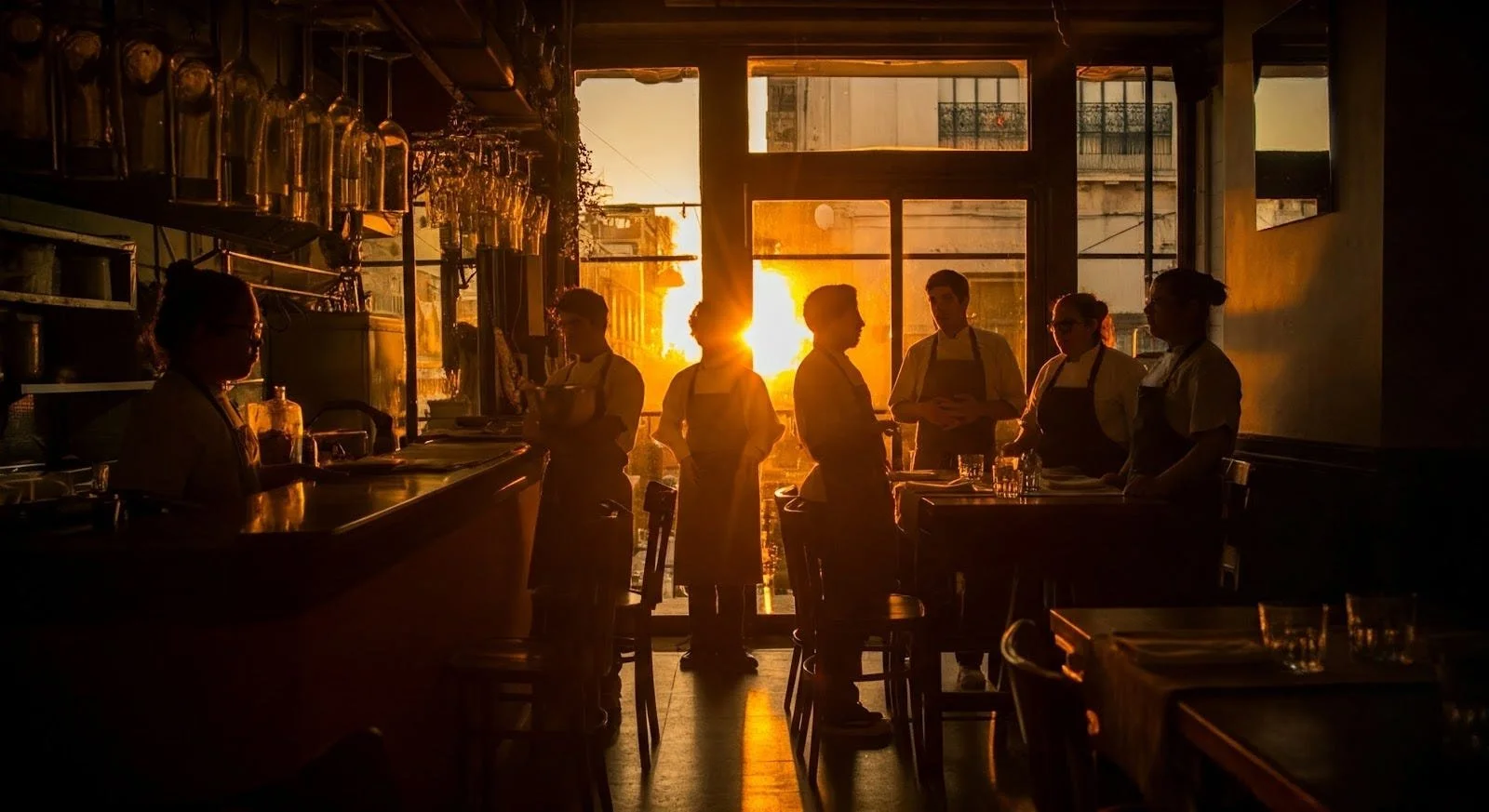
From Buenos Aires with Love
______________________________
It was just another Friday night; the rush was in full swing, and a table of twelve had just walked in without a reservation. The air hung thick with the scent of sizzling garlic and grilling steak, mingling with the rising panic in my chest. Sweat beaded on my side brow as I barked orders to the line cooks, their faces flushed from the heat of the grills. Dishes clattered, voices rose in a crescendo of urgency, and I weaved through the chaos, frantically rearranging seating charts. Plastering a smile on my face, I greeted the exasperated guests, hoping they wouldn't notice the tremor in my voice as I said, ‘Welcome to Buenos Aires Bistro!’
To this day, I still miss that rush that is like no other.
In the chaotic ballet of a busy restaurant kitchen, there's no room for error, no time for self-doubt. It's a crucible that forges resilience, demands teamwork, and teaches you the true meaning of service. That exhilarating, exhausting dance of orders, sweat, and camaraderie is forever etched in my memory. As a Buenos Aires native and former chef, I believe everyone should experience the unique crucible of a restaurant kitchen. It's a crash course in humility, empathy, and resilience, teaching essential life skills that extend far beyond the dining room.
But Alamesa, a unique eatery in my hometown, takes this transformation to another level. Staffed almost entirely by neurodivergent individuals, Alamesa embodies what I call a true SHIFT in organizational culture—where inclusion isn't just good for the soul; it's a recipe for success. Like all meaningful transformations, it started with seeing possibilities where others saw limitations.
A Note on Names: ‘Alamesa’ is a play on words from the phrase "a la mesa," which means "to the table." In Argentina, it's typical for parents to yell out to their children when it's time to sit for a meal. And if you're invited for dinner at an Argentinian household, don't be surprised if that's the call for guests to gather at the table. This simple phrase embodies the restaurant's mission of bringing everyone to the table—both literally and metaphorically.
More Than Just a Meal Ticket: The Unexpected Lessons of the Service Industry
I frequently advocate for a world where everyone experiences the unique demands of working in a restaurant. It's a crash course in essential life skills, teaching you to navigate demanding customers, work under immense pressure, and function as a seamless team. In my own restaurant experience, I learned firsthand the transformative power of these lessons.
One of the most valuable lessons I like to share comes from the classic tension between the front and the back of the house. Each side often claims sole credit for the restaurant's success, yet neither could exist without the other. Like the right arm thinking it's better than the left—the only reason each one is ‘better’ is because of the support the other provides. Once a team understands this, a subtle and genuine humility emerges, followed by a sense of empathy and curiosity because of this newfound wisdom.
This dynamic mirrors what I often see in organizations struggling with silos—departments operating as if they're separate entities rather than interconnected parts of a whole. Just as a restaurant's success depends on bridging the front and back of the house divide, transformational leadership requires breaking down these artificial barriers. Alamesa takes this principle further by showing how intentionally designed systems and processes can unlock potential in unexpected ways.
Alamesa: Where Inclusion is Always on the Menu
Alamesa is no ordinary restaurant. Founded by Dr. Fernando Polack, a renowned pediatrician, it emerged from a deeply personal mission—creating opportunities for his autistic daughter, Julia, and others with neurological differences. Under his leadership, the restaurant has become more than a workplace; it's a testament to the untapped potential within our communities.
At Alamesa, it's not just about running a kitchen efficiently or handling difficult customers and building a team to handle both; it's about making everyone feel welcome and valued, including their own staff.
Take Nacho, for example. He once felt marginalized in an administrative role at his old job and now thrives as a valued member of the Alamesa team. His mother noted, referring to her son’s transformation, that "When you go to work and have a purpose, it changes your life."
Alamesa's commitment to inclusion goes beyond simply hiring neurodivergent individuals—it shapes every aspect of their operation. Ingredients are color-coded to assist those with reading difficulties. The kitchen is thoughtfully designed for safety, with no knives or open flames. Every staff member is trained to recognize and support each other's unique needs. By creating a supportive and empowering environment, Alamesa has unlocked the potential of its employees, leading to exceptional customer service and a thriving business. As Dr. Polack eloquently states, "Alamesa breaks with the idea that people with neurodivergence want to be like people without neurodivergence."
What makes Alamesa's story particularly powerful is that they didn't just layer inclusion onto their business model—they made it integral to their identity. For Dr. Polack, neurodiversity was personal, making it a natural foundation for his vision. But the broader lesson here transcends any single dimension of diversity: successful inclusive business practices aren't about following a template, but rather about identifying what meaningful inclusion looks like in your specific context and weaving it into the very fabric of your organization. Alamesa shows us that when we align our inclusive practices with our core purpose, what might seem like constraints to others become catalysts for innovation.
The Ripple Effect: How Restaurants Can Spark Social Change
Restaurants can be microcosms of society, where service, teamwork, and inclusion flourish together. As a leadership coach, I've seen how small, intentional changes can create massive shifts in organizational culture. Here are three concrete steps to foster more inclusive spaces:
Start with self-awareness: Examine your own biases and assumptions about different abilities and working styles
Create psychological safety: Build environments where team members feel safe to express their unique needs and perspectives
Design for success: Like Alamesa's color-coded system, implement processes that leverage diverse strengths rather than trying to force everyone into the same mold
Consider this my personal plea: urge your children, nieces, nephews, and grandchildren between the ages of 16 and 28 to spend six months working in a restaurant. It's a crash course in humanity, a masterclass in empathy, and a recipe for personal growth that no university can replicate. Support businesses like Alamesa, educate yourself about neurodiversity and advocate for policies that promote inclusion.
Beyond the Plate: Alamesa's Ingredients for a Better World
Alamesa serves up more than just delicious meals; it offers us a powerful reminder that true innovation often comes from embracing what makes us different. In a world that often rushes to standardize and conform, their success shows us that there's profound strength in creating spaces where everyone can contribute in their own unique way. Their story challenges us to look beyond conventional wisdom and ask ourselves: what potential are we leaving untapped in our own organizations and communities?
To learn more about Alamesa's journey, read the New York Times article "A Restaurant Is More Than a Workplace for People Often Shunned by Employers."
Also, the documentary Alamesa is currently streaming on Max, and I highly recommend it.
______________________________
Mariano is a transformational leadership coach specializing in Personal Branding, Strategic Leadership, and Creative Action. Through his signature SHIFT approach, he helps leaders discover authentic perspectives that transform how they see themselves and their potential. His clients consistently report gaining both clarity of purpose and practical strategies that inspire meaningful action.
Ready to explore your leadership potential? Schedule a complimentary consultation to discover how we can work together toward your goals.
Learn more at SHIFTinlife.com