Beyond Procrastination: Embracing the Creative Power of Incubation
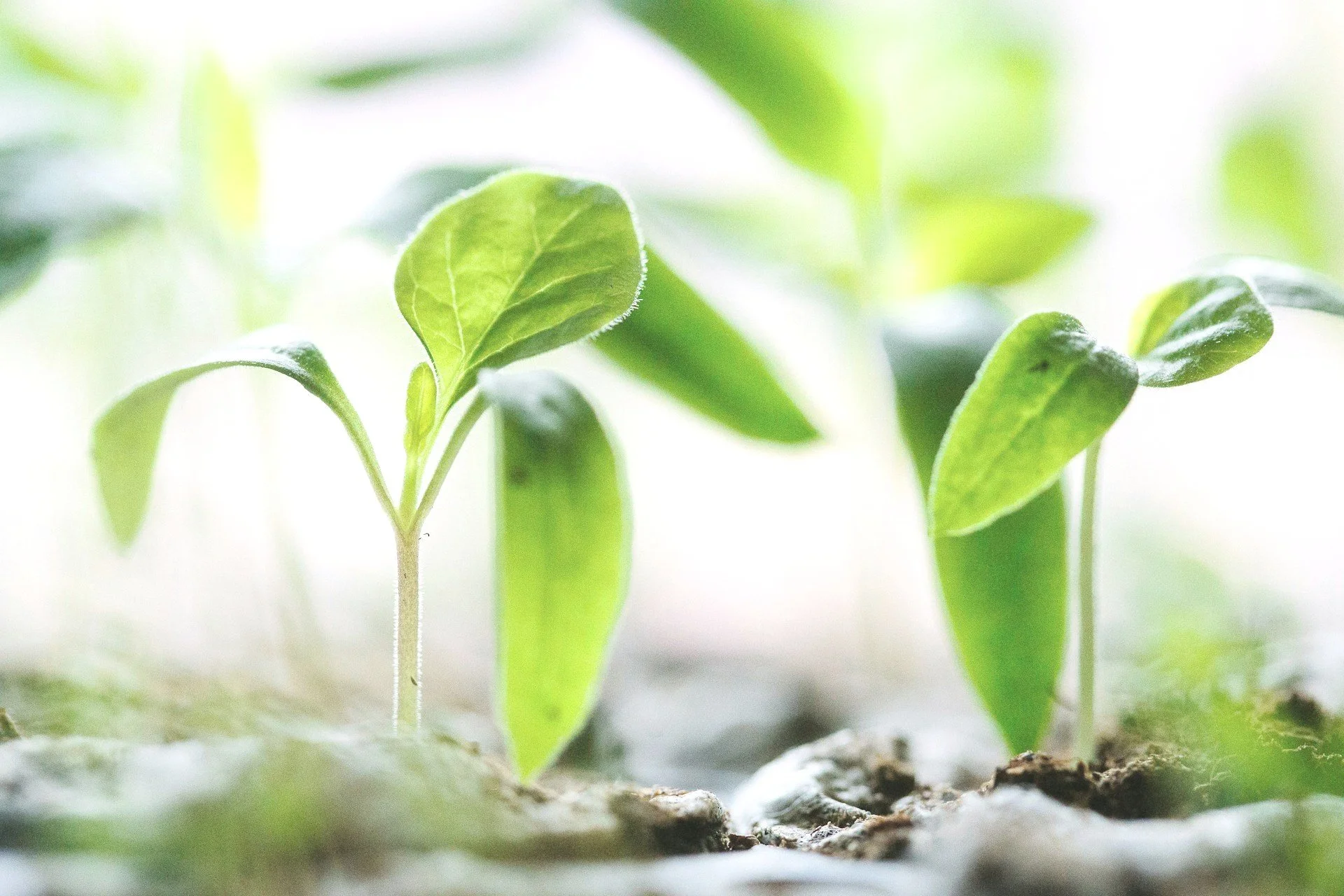
Photo by Francesco Gallarotti on Unsplash
We treat procrastination as a discipline problem. For creative work, it might be the opposite: a well documented phase called "incubation," where your mind keeps working on an idea even when you're not consciously thinking about it. Here's the research behind why delay isn't always wasted time.
Have you noticed that many people respond to the question, "Hi, how are you?” with a plain “Busy!” In our ‘western world’, we praise relentless productivity. ‘Hustle’ is glorified, and procrastination is often seen as a sign of laziness or lack of discipline. But what if, as creative individuals, this perception is all wrong? What if those periods where we put things off aren't self-sabotage but rather our inner genius at work? What if those periods where we put things off aren't wasted time, but rather a hidden, yet crucial phase of the creative process?
This idea might seem counterintuitive, but there's a growing body of research that suggests a fascinating link between procrastination and the creative process. For many creatives, those moments of delay aren't wasted time, but a crucial phase known as "incubation" – a time when our minds are working through ideas, even if we aren't consciously aware of it.
Understanding the Science of Incubation
Psychologist Adam Grant, author of "Originals: How Non-Conformists Move the World," explores the concept of "structured procrastination." He suggests that some people thrive under the pressure of looming deadlines. Procrastination isn't about avoiding work, but about strategically using the urgency it creates to fuel creativity.
This connects with the idea of the incubation period, a well-documented phenomenon in the creative process. Consider how comedy writers often work – hanging out, exchanging ideas, and seemingly ‘goofing off’. Yet, this banter is fertile ground for their creative process. Suddenly, amidst the laughter, a brilliant joke emerges.
Studies have shown that incubation also relates to the neurological benefits of mind-wandering. While we focus on one task, our brain can get stuck in rigid patterns. Moments of "doing nothing" allow our minds to make unexpected connections, leading to those "Lightbulb" moments of insight.
Is It Procrastination or Creative Process?
The crucial question for creatives is: how do we know if our procrastination is truly an incubation phase, or simply avoidance based on fear or perfectionism? This is where raising one’s awareness, a cornerstone of the "shift /in Life/" philosophy, becomes essential. Here are some questions to help you tell the difference:
How does the delay feel? Is there a sense of anxiety, dread, or blockage? Or, surprisingly, is there a buzz of mental activity, as if ideas are simmering below the surface?
Are you truly idle? True incubation isn't about binging Netflix. It might involve activities that seem unrelated to the main task but still stimulate the mind and promote connections.
What happens when you return to the task? If you find yourself refreshed with new perspectives, the "procrastination" likely served its purpose. If you're still stuck, it might be time to address any underlying fears.
Anxiety: From Hindrance to Creative Fuel
Interestingly, anxiety often plays a complex role in this process. For years, I felt guilty about my deadline-driven approach, but then I learned about the concept of structured procrastination. Understanding this framework helped me transform my anxiety into a creative fuel.
While procrastination fueled by fear is counterproductive, a certain level of urgency can ignite laser focus and clarity. Perhaps that buzzing mental activity during "procrastination" includes a subconscious awareness of approaching deadlines, generating a certain pressure that ultimately aids the creative breakthrough.
The idea that looming deadlines can be beneficial relates to the concept of "flow," a psychological state characterized by complete absorption in an activity. During flow, time seems to warp, and we experience a sense of effortless action and intense focus.
While some personality types thrive under constant pressure, others achieve flow through temporary pressure due to deadlines that create a manageable challenge. This pressure can be a catalyst for the laser focus and heightened creativity associated with flow, and may be something positive that arises from your ‘procrastination tendencies’.
When Procrastination IS a Problem
It's important to acknowledge that procrastination isn't always a superpower. If procrastination consistently creates stress, leads to missed opportunities, or impacts your well-being, it's time for a different approach. Here are a few tips to distinguish harmful procrastination tendencies from creative incubation:
Set Smaller Goals: Creative projects can be overwhelming when viewed as a whole. Breaking them into manageable steps lessens the pressure and makes procrastination less likely.
Timebox Your Procrastination: If you need incubation time, schedule it intentionally rather than letting it derail your whole day.
Seek Accountability: Share your goals with a supportive friend or coach. Having external deadlines can be motivating when self-imposed ones fail.
Harnessing Your Inner Procrastinator
Instead of fighting your tendency to delay, learn to work with your unique rhythm. Here's how to incorporate incubation into your creative process, with a focus on self-awareness and self-compassion:
Observe without Judgment: Pay attention to your procrastination patterns. Notice what triggers it, how it feels, and what ultimately comes from your delays.
Build in Incubation Time: Rather than forcing yourself to work non-stop on a project, schedule specific blocks for mind-wandering. Go for a walk, journal, or do activities that allow your mind to roam freely.
Embrace Experimentation: There's no one-size-fits-all solution. Track what works for you. Do you need a quick incubation burst, or longer periods of unstructured time?
Find Your Balance: It's about finding the rhythm that allows your creative genius to flow while still honoring commitments and moving your ideas forward.
Harness the Pressure (When It Works For You): If a bit of self-imposed urgency unlocks your flow state, be aware of this. Build it into your process consciously to maximize your creative potential.
Embrace Your Unique Process
The next time you find yourself tempted to beat yourself up for procrastination, take a pause. Shift from judgment to curiosity. Is your mind busy processing, even if you don't see tangible evidence yet? By embracing procrastination as a potential part of your creative process, you free yourself from guilt and unlock a more intuitive, authentic way of working.
Are you ready to transform your relationship with procrastination? Start by observing your patterns without judgment. What insights emerge? Share your experiences in the comments below!
Mariano is a growth and leadership coach for changemakers who promotes new ways of exploring perspectives and shifting the lenses we use to see the world. His coaching style leaves people with a sense of clarity and conviction from what is authentically true for them—resulting in being inspired and called into action by the new possibilities that arise.
If you are ready to explore more on this topic and how coaching can help you, please get in touch and set up a free consultation to discover how we can work together.